
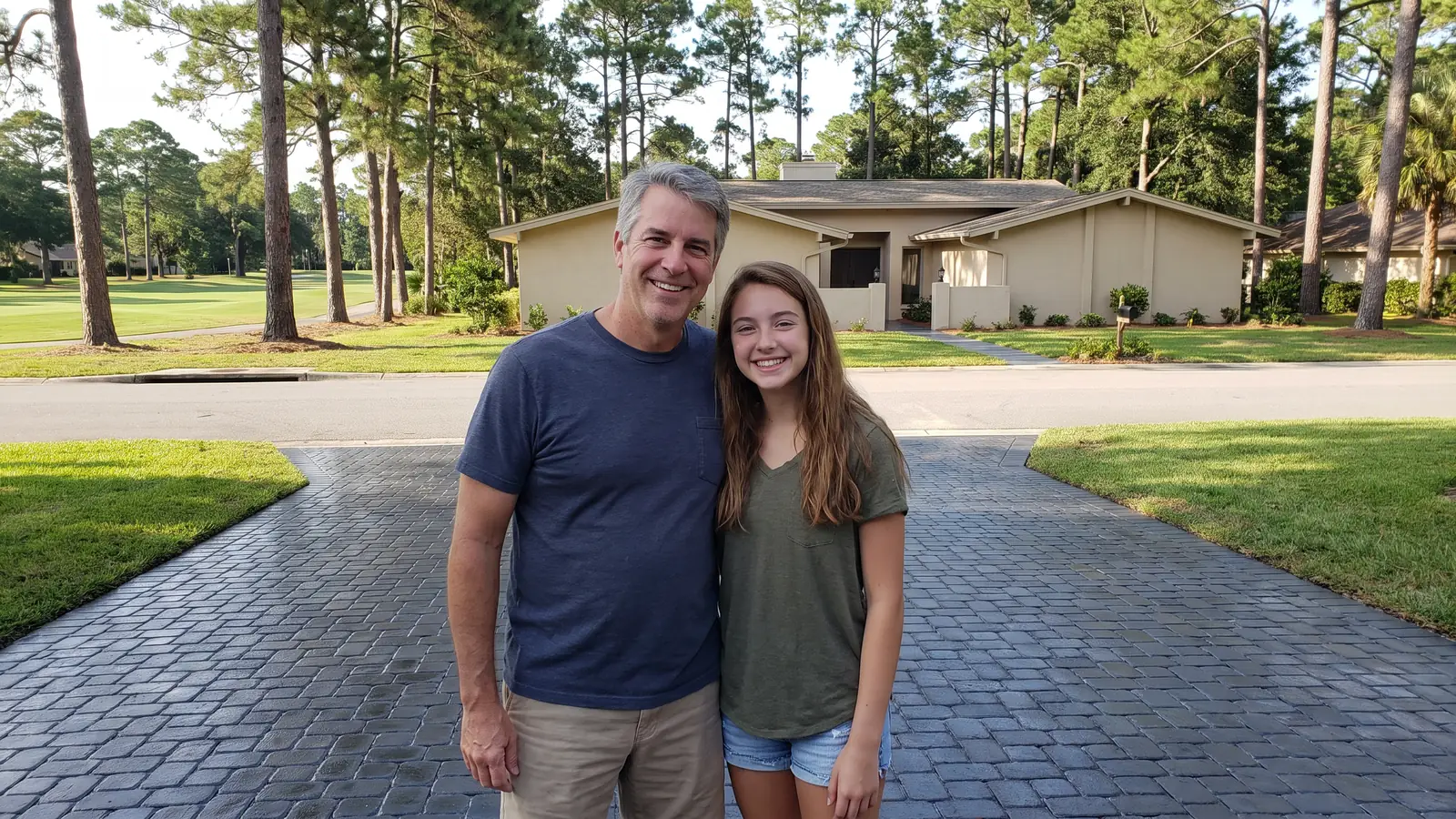
Paver sealing for Atlantic Beach homes
Paver Sealing in Atlantic Beach, FL
Salt spray fades unsealed pavers in Atlantic Beach, so call (904) 946-8454 for a free paver sealing estimate.
- Brings out deeper paver color
- Fresh joint sand helps lock pavers in place
- Gives weeds less room to grow
- Makes the surface easier to keep clean
- Free estimate, no obligation
Request a Free Estimate
Free, no obligation.
Fast, careful paver sealing in Atlantic Beach
Atlantic Beach homes, from the streets near Seminole Road to the Intracoastal side, are covered for paver sealing by a local contractor. The wash, the fresh sand and the sealer on driveways, patios and pool decks are all covered, and the estimate is free. Right after you request your free estimate, a reply is on its way within 1 business day, usually much sooner. You can ask about one walkway or the whole property.
Imagine a driveway the salt air has dulled, with a pale film across the surface and sand missing from the joints near the street. After a rinse, fresh sand and a new coat, the same pavers hold their color again. If you want to talk it over first, call (904) 946-8454 and describe what you see. Get the free estimate first, then take your time deciding.
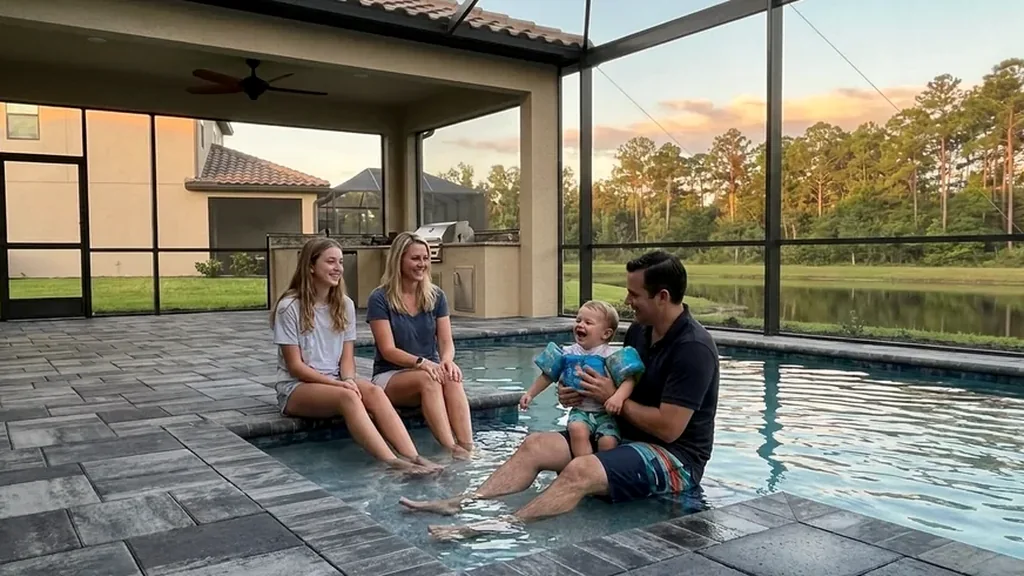
Why hire a local paver sealing contractor in Atlantic Beach?
Atlantic Beach sits on a barrier island between the ocean and the Intracoastal Waterway, so salt air, sandy ground and city rules all touch a paver job. A local contractor works around them, and to hear how, request your free estimate.
A look at no charge
The contractor checks your Atlantic Beach driveway, patio or pool deck, then names a price. No fee is charged for the visit.
Numbers you can check
Northeast Florida companies publish $1.75 to $3.25 per square foot to clean, sand and seal. Atlantic Beach bids can be checked against it.
Timing for salt air
Near the coast, one Jacksonville company suggests resealing driveways closer to every 18 to 24 months. Ask what interval fits your lot.
Your schedule, your finish
You choose the date and the finish, and whether to proceed. Asking obliges you to nothing.
Get Your Free Estimate in Atlantic Beach
Tell us about your pavers in Atlantic Beach.
Free, no obligation
What paver problems show up most in Atlantic Beach?
Salt spray that fades unsealed pavers
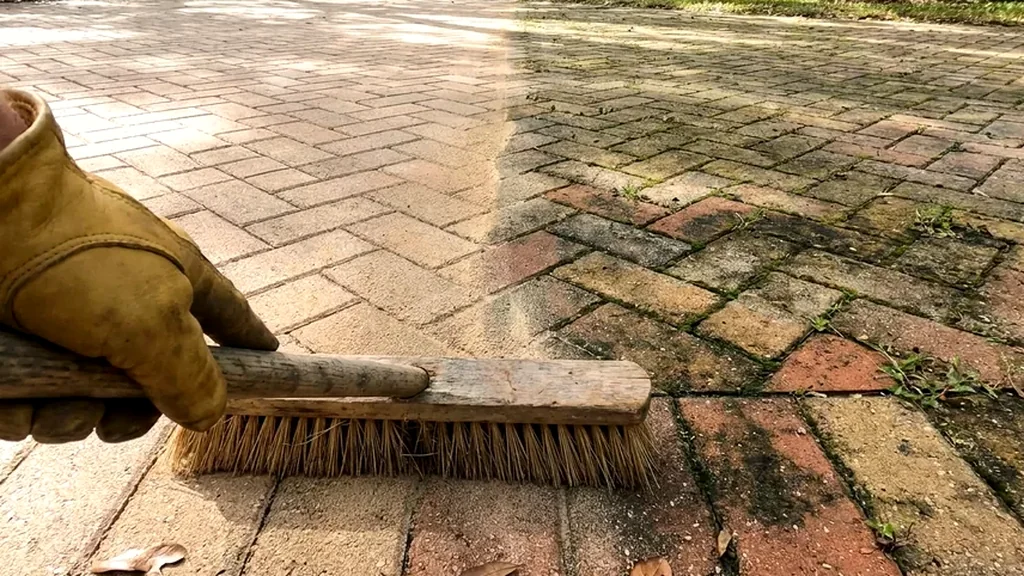
A beaches paver company says salt spray leaves a white film and speeds fading on unsealed pavers. University of Florida gardening guidance says anyone within a couple of miles of salt water has probably seen salt-spray damage on plants. Atlantic Beach is a barrier island city, so most of it sits inside that zone. A wash lifts the film, and sealer slows the next round. One Jacksonville company says driveways near the beaches need resealing closer to every 18 to 24 months, so the film tends to come back sooner than it would inland. A pale haze that returns each year is a sign the last coat has worn thin. Nicolock, a paver maker, adds that salt travels through the air as microscopic particles and can crystallize on surfaces as moisture evaporates, which over time may wear lower-density materials.
Loose sandy ground under the apron
The same company says Atlantic Beach sits on loose, sandy soil that shifts when water runs under pavers, with low spots near downspouts, A/C pads and the street apron. A landscape trade article agrees that pavers can settle where rainwater lands on them. Sealing locks in whatever is there, so a low spot is reset before the coat goes on. A Jacksonville sealing company ranks sinking and washouts as the top reason pavers fail. Ask the contractor to mark any dip, since reset work is priced apart from the sealer. Ask the contractor to look where the downspout meets the paver edge, since roof water lands there.
Joint sand flushed out by summer storms
Northeast Florida's wet season runs June through September and brings more than half the yearly rain, with a sea breeze that sets off showers almost daily. A Jacksonville paver company says summer downpours wash sand out of joints that were never sealed. Once the joints open, weeds and ants move in, and rain reaches the base. A sealed joint turns the sand into a hard barrier that slows weeds and ants, according to one company, which is why joints are filled first and sealed second. Open joints are also where ants and weeds settle in, so refilling them is more than cosmetic.
Standing water in flood-prone pockets
The city says Aquatic Gardens has seen significant and repeated flooding and has built a stormwater project to protect that neighborhood and the Cavalla and Skate Road area. In September 2017 a flash flood emergency was declared in Atlantic Beach during Hurricane Irma. Water that stands on pavers leaves a film, which has to be washed off before sealer goes on. If your street takes water, tell the contractor which spots hold it. The city's project for that area is engineered for a 25-year storm.
Pavers that are 15 to 20 years old
The beaches company says many homes off Plaza, Ocean Boulevard and Seminole Road have pavers that are 15 to 20 years old. Royal Palms, one Atlantic Beach neighborhood, has a median build year of 1971. Older pavers may carry a failed coat, and failed sealer must be stripped before new sealer goes on. So the old product is identified first. Faded color, sandy joints and mildew do not break pavers, one company notes, but they are the reasons owners start asking about sealing. Royal Palms alone has homes built from 1960 to 2023, so pavers on a single block may be of widely different ages.
Does Atlantic Beach's lot coverage rule affect a paver project?
Only if you plan to add or widen pavers, since sealing the pavers you already have does not add surface. In 2019 Atlantic Beach lowered the share of a residential lot that can be covered with impervious surface from 50 percent to 45 percent. The city counts driveways, patios and sidewalks in that total. If you are planning more than a sealing job, request your free estimate and say so.
The same ordinance removed or sharply reduced earlier credits for pervious driveways and patios, and said homes with a pool and an impervious driveway will need to be smaller. That makes the pavers you already have worth keeping in good shape. The city FAQ tells people to contact the Building Department about installing residential driveways, and it does not speak to sealing. Call (904) 946-8454 and describe the work you have in mind.
Royal Palms has 186 homes built from 1960 to 2023, with a median year of 1971 and no HOA on record. The old Selva Marina Country Club site, which opened in 1958, now holds a neighborhood of 178 homesites. Older streets and newer lots mean pavers of different ages, so the work is matched to your block. To start, request your free estimate.
What does paver sealing cost in Atlantic Beach?
Northeast Florida companies commonly post a range of $1.75 to $3.25 per square foot for cleaning, sanding and sealing. Salt film, low spots at the apron and an old coat that has to come off all move an Atlantic Beach job inside that range. One Jacksonville company says full hardscape projects get better per-square-foot pricing. For a number that fits your lot, request your free estimate.
Access adds time as well. A Jacksonville cost guide says locked gates, stairs and tight side yards add prep time, and that tree-shaded patios need extra cleaning. Pool decks and walkways are measured in with the driveway. Call (904) 946-8454 and the contractor can tell you which of these apply to your lot.
| Paved area | Typical example | Clean, sand and seal |
|---|---|---|
| 300 sq ft | Small patio or walkway | $525 to $975 |
| 600 sq ft | Two car driveway | $1,050 to $1,950 |
| 1,000 sq ft | Large driveway or pool deck | $1,750 to $3,250 |
| 1,500 sq ft | Driveway plus pool deck | $2,625 to $4,875 |
Math based on the $1.75 to $3.25 per square foot that Northeast Florida paver companies published as of November 2026. Your contractor sets the actual price after seeing the surface. Repairs, leveling and stripping failed sealer are usually extra.
How does a paver sealing job work in Atlantic Beach?
Walk the property and find the low spots
The contractor looks along the street apron, under downspouts and around A/C pads, where water tends to run under pavers on loose sandy soil. Sunken or lifted sections are reset first, because sealing preserves whatever is there. If a coat is already down, ask the contractor to identify it before a product is chosen. Photos of the low spots after a heavy rain help the contractor plan. Mention any downspout that empties onto the pavers.
Rinse off the salt film and wash
Cleaning comes next, with attention to the pale film that salt spray leaves on unsealed pavers. Oil and rust spots are treated first. Failed sealer comes off first, because a new coat over it fails again. Rinse water is kept off plants beside the driveway, and tree-shaded patios get extra time. Pool decks get the same wash, with rinse water kept out of the pool. A pale film on the surface is a sign the wash has more to lift, so the contractor looks at the surface once it dries.
Refill the joints with fresh sand
The wash takes joint sand with it, so fresh sand goes in before the sealer. Island sand leaves open joints exposed to soil and weeds, which is why this step matters. Sand is swept in until each joint is full, then the surface is cleaned off. Reset sections are filled the same way. A full joint also helps the pavers hold their lines through summer storms. A joint that is full is what the sealer locks in.
Hold off until it is dry
Sealing waits until the pavers are fully dry. Atlantic Beach gets a nearly daily sea breeze in summer that sets off showers, and a shaded patio can stay damp longer than a sunny drive. Sealing damp pavers is the usual cause of white sealer, so the contractor waits. After heavy rain, the contractor looks at the low end of the driveway before choosing a start time.
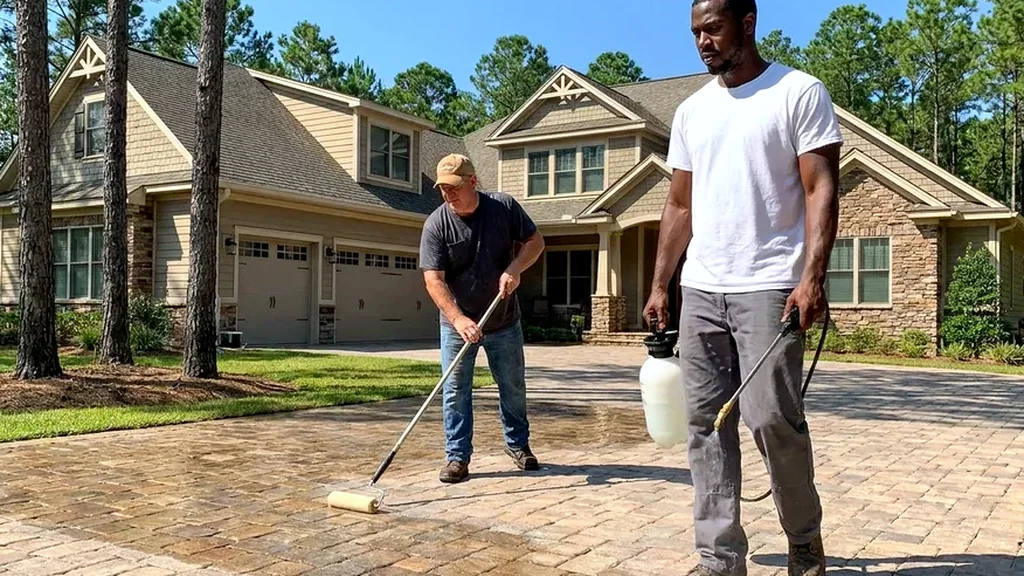
Spray and back roll the sealer
The finish you chose goes on by spray, and a back-roll works it down into the joints. Matte keeps the natural look, while a wet look deepens color and shows scuffs sooner in the lanes your tires use. Plan on a few hours before walking on it and about a day before parking, based on what one Jacksonville company says. Ask which finish suits each surface, since a pool deck and a driveway may not take the same product.
Complete paver services in Atlantic Beach
On the island, a job opens with a rinse of the salt film, then the wash, fresh joint sand and sealer. Order matters, since sealer locks in whatever is on the surface. A local contractor explains the steps before work begins. For the schedule on your property, request your free estimate.
Driveways, patios, walkways and pool decks each wear differently. A Jacksonville company lists sunscreen and furniture scuffs as pool deck wear, and says salt-system decks benefit from rinsing. Where tires turn, a wet look picks up scuffs sooner than matte does. Call (904) 946-8454 and list every surface you want done.
Sealer choice starts with what is already down, since water-based sealer cannot go over solvent-based sealer. Matte has no shine and no color change, while a wet look deepens color. Quotes run two to five years per coat, and salt air pulls driveways toward the short end. To talk it through, request your free estimate.
Northeast Florida gets more than half of its yearly rain from June through September, and a nearly daily sea breeze sets off the showers. One Jacksonville company says spring and fall often offer the most stable weather for sealing. A careful contractor waits for a dry day, since sealer needs a dry surface. Call (904) 946-8454 to ask which weeks are open.
Questions to ask before you hire
- Does your schedule fit my HOA's rules on work hours and trailers on the street?
- Will the sealer even out the color where a few pavers were replaced?
- If a paver is cracked, will you replace it before the sealer goes on?
- Will you clean and seal on the same visit, or come back once the pavers dry?
- Do you bring your own water, or hook up to my outside spigot?
- How long before my dog can walk on the pavers again?
- What time do you start, and how many hours will you be at my house?
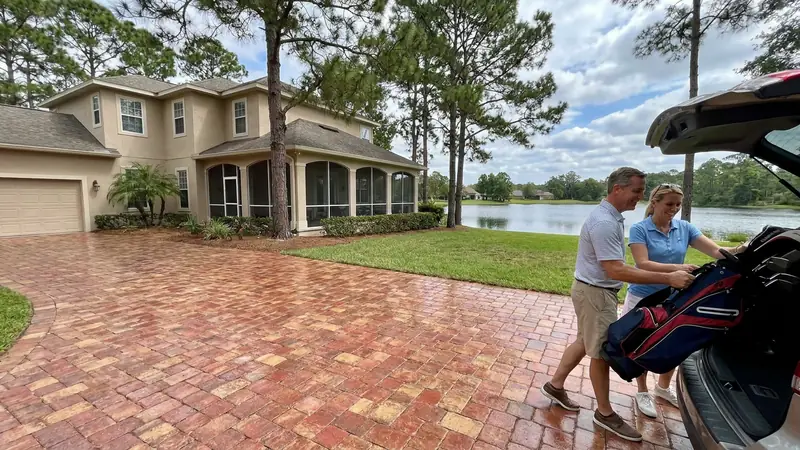
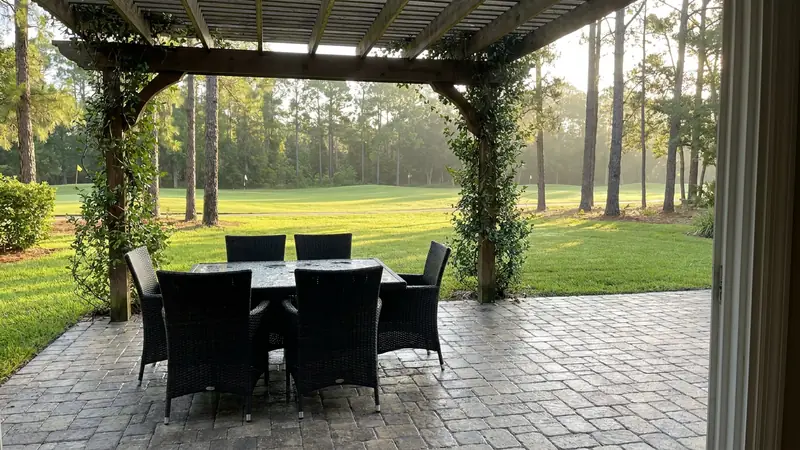
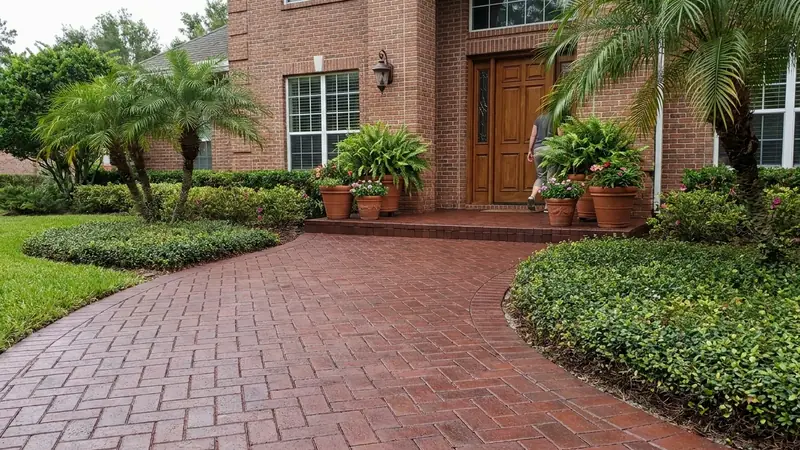
What do sealed pavers look like around Atlantic Beach?
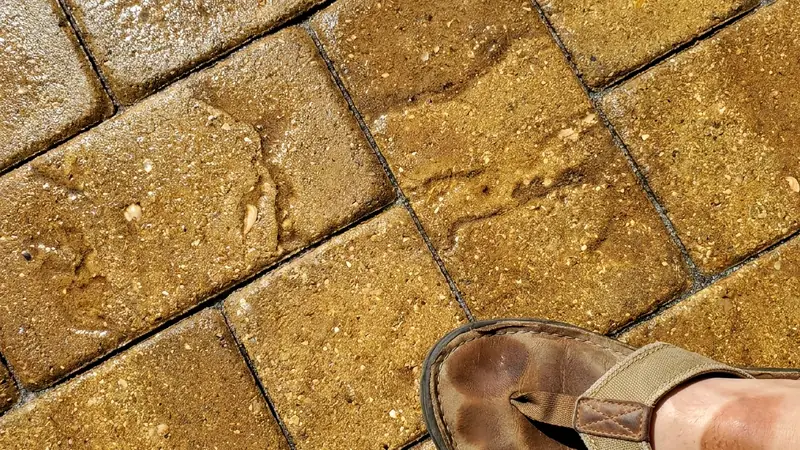
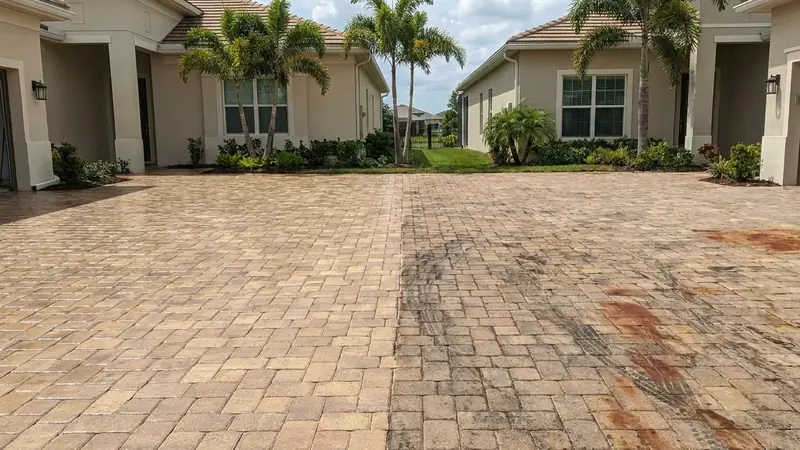
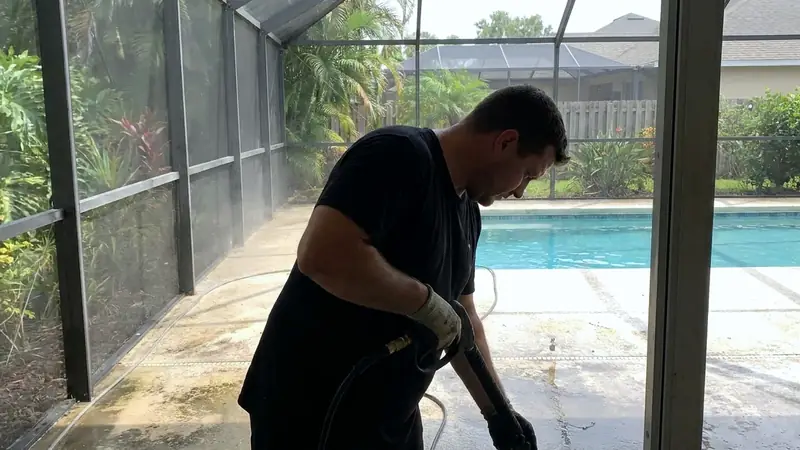
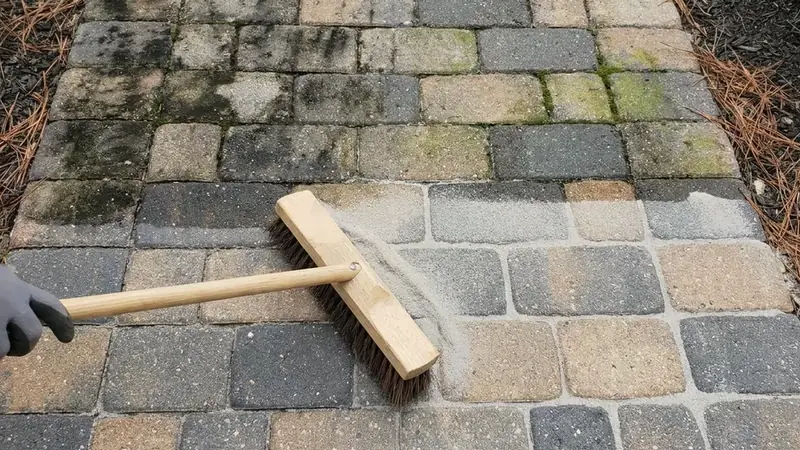
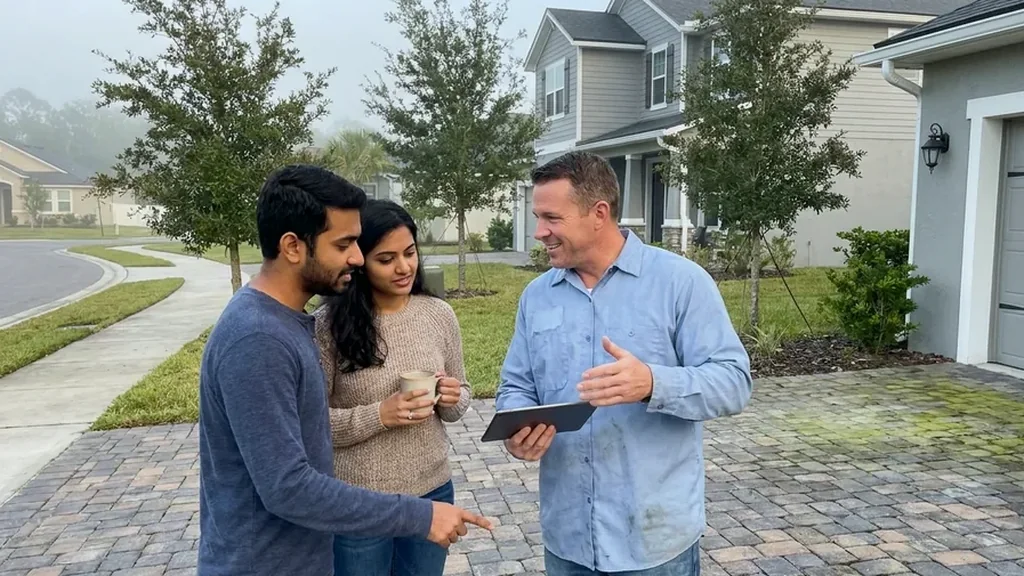
Why local matters in Atlantic Beach
On the island, low spots tend to form near downspouts, A/C pads and the street apron, and a local contractor looks there first. Those are the places to check before any sealer goes on. Ask about the spots on your lot when you call (904) 946-8454.
Local experience covers the weather as well. The wet season runs June through September, and a sea breeze sets off showers almost every afternoon. A contractor who works the beaches plans the day around that and holds the job when the pavers are damp. To hear how, request your free estimate.
Trees are part of the picture. Atlantic Beach passed tighter tree rules in July 2026 after a 200-year-old live oak was cut down on West First Street. If roots are lifting a section of your pavers, that is worth raising with the city before anything is dug. When you are ready, request your free estimate and mention the tree.
How did Atlantic Beach end up as its own city?
It voted to stay quasi-independent in 1968, when most of Duval County consolidated with Jacksonville. Atlantic Boulevard was finished in 1910 as a link to Jacksonville, and after 1913 the Atlantic Beach Corporation paved streets and put in the first light, water and sewer lines. The city took its present name in 1957. If your home is on one of those early streets, call (904) 946-8454.
Tide Views Preserve has Intracoastal views, about 2,500 feet of nature trails and the Sunset Pier. Johansen Park, at 1300 Seminole Road, is a 12-acre park with tree canopy and an official Heritage Tree. Dutton Island Preserve covers 31.86 acres, with a paddling trail through about 350 acres of marsh. Near any of these Atlantic Beach spots, you can request your free estimate and name your street.
Frequently Asked Questions
What drives the price of paver sealing in Atlantic Beach?
Prep, more than product, drives the bill. A Jacksonville cost guide says full hardscape projects get better per-square-foot pricing, and that failed sealer must be stripped first. Published prices around Northeast Florida run $1.75 to $3.25 per square foot for cleaning, sanding and sealing. A free estimate converts that range into a price for your pavers. Ask each bidder what is included, since a low number can leave out the prep.
What water-based paver sealer works near the ocean in Atlantic Beach?
Ask the contractor to name the product and the reason, since no single sealer suits every driveway. Whatever coat is already down limits the options, because water-based sealer cannot go over solvent-based sealer. Matte has no shine and no color change, while a wet look deepens color. A bid that names the sealer brand makes quotes easier to compare, according to one Jacksonville company.
How long does paver sealing last in Atlantic Beach?
Companies commonly quote a gap of two to five years between coats. One Jacksonville company says driveways near salt air at Jacksonville Beach and Atlantic Beach need resealing closer to every 18 to 24 months. Sun, scuffs and pool use change your number. Let the contractor see your sun, shade and traffic before settling on a schedule. Ask which end of the range fits your lot.
How do contractors sand and seal pavers in Atlantic Beach?
They wash the surface, let it dry, put fresh sand into the joints and then apply sealer. Washing pulls joint sand out, so the sand goes back in before the coat. Sealer is typically sprayed and then back-rolled into the joints. Skipping the sand step leaves the joints open to the next storm. Reset sections are leveled first, since sealing preserves any dip it goes over.
Does salt air change how often Atlantic Beach pavers need sealing?
Yes, it tends to shorten the interval. A beaches company says salt spray leaves a white film and speeds fading on unsealed pavers. Near the coast, a company suggests resealing closer to every 18 to 24 months. A contractor can tell you whether your surface needs a coat now or can wait.
Do Atlantic Beach lot coverage rules apply when pavers are sealed?
Sealing does not add surface, so the lot coverage limit comes into play mainly when pavers are added or widened. The city counts driveways, patios and sidewalks as impervious area, with a 45 percent cap on residential lots. Contact the Building Department before adding a driveway. Questions about lot coverage go to the city, not to the contractor. The city's impervious area description includes driveways, patios and sidewalks.
Can pavers be sealed right after rain in Atlantic Beach?
Not yet, because the surface has to be dry first. Sealing damp pavers is the usual cause of white sealer. A nearly daily summer sea breeze can bring showers, so a careful contractor holds the job for a dry day. Mid-job rain is a reason to reschedule, not to push on.
How soon can I walk and park on sealed pavers in Atlantic Beach?
Walking on the surface is usually fine after a few hours, while cars stay off for about a day. A Jacksonville sealing company puts walking at 2 to 4 hours and cars at 24 hours after application. Weather and the sealer type shift those times. Ask the contractor for those times so the whole household knows.
Ready for a Free Estimate in Atlantic Beach?
Call (904) 946-8454 and tell us about your pavers.
Free, no obligation